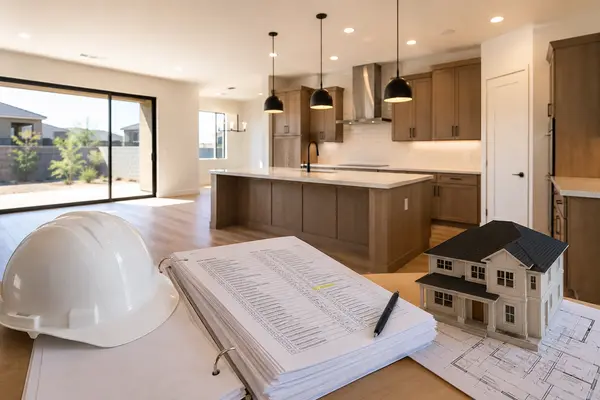

Prepping Homes for Market: A Pattern That Keeps Showing Up

Prepping Homes for Market: A Pattern That Keeps Showing Up
Recently, I’ve been prepping multiple homes for market at the same time, which means spending a lot of time reviewing comps and walking sellers through pricing decisions.
As part of that process, I changed how I reviewed the data.
Instead of relying solely on MLS views, I pulled the comps into a spreadsheet and organized them by active, pending, and closed listings. I still reviewed photos carefully — they’re important for determining which homes are truly apples to apples in terms of layout, condition, and finish level — but I intentionally separated the visual review from the pricing discussion.
That shift made something very clear.
Looking at numbers in a spreadsheet feels very different than looking at those same numbers alongside photos.
How Emotion Enters Pricing Decisions
Photos bring emotion into the equation — particularly when sellers are comparing their home to the photos of other listings we’re reviewing online. That visual comparison naturally introduces subjectivity, even when the underlying data hasn’t changed.
This is completely human. Sellers know their home well. They know what’s been updated, how it lives, and why it feels like a strong option. But that emotional comparison is often where pricing starts to drift toward an aspirational number rather than staying anchored to what the market data supports.
The data hasn’t changed — perception has.
What the Spreadsheet Makes Clear
When you line up the numbers in a spreadsheet — days on market, original list price, current list price, and price per square foot — patterns become much harder to ignore.
Reality pricing is based on where homes are actually selling. Aspirational pricing is based on where sellers hope the market will stretch.
That distinction is especially obvious in the active listings. You can see which homes are priced to compete and which ones are testing the market. In the pending and under-contract homes, that picture tightens as the market responds. And in the closed sales, it’s usually very clear where buyers were actually willing to pay.
This is also how appraisers evaluate value. They aren’t comparing emotion or intent — they’re comparing recent closed sales, price per square foot, days on market, and how a home fits within its competitive set.
Why Testing the Market Often Backfires
Homes that launch positioned where the data supports tend to sell faster and with stronger leverage. Homes that test the market tend to sit longer, require price reductions to regain momentum, and often accept an offer lower than what could have been achieved if the home had been priced correctly from the start.
The spreadsheet shows reality — where homes are actually selling. Photos tend to support an aspirational number, and the gap between those two is where listings struggle.
Momentum is created at launch. Once it’s lost, it’s difficult to recreate.
What This Means for Sellers and Buyers
For sellers, pricing isn’t just about choosing a number — it’s about deciding how you want your home to launch and compete. The goal isn’t to eliminate emotion, but to keep it from driving a decision that the market won’t support.
For buyers, time on market still matters. Homes that miss the mark early often create opportunity later, as leverage shifts and sellers adjust.
Final Thoughts
Pricing works best when it’s grounded in data, not hope. The market responds quickly — and clearly — when a home is positioned correctly from day one.
If you’re considering selling and want to understand where your home fits in today’s market, I’m always happy to walk through the data and talk through your options.I also share deeper homeowner and market insights every Wednesday morning in my weekly newsletter, from lifestyle stories to practical real estate guidance rooted in what’s really happening here in the Valley. If you’d like those delivered straight to your inbox each week, you can subscribe here.
Categories
Recent Posts