
Why You Need Your Own Agent When Buying New Construction in Phoenix
The Builder Is Not On Your Side. Here Is Who Is.
New construction is an exciting purchase. Everything is brand new, the warranties are real, and there is something genuinely great about being the first person to live in a home. I believe in new builds — personally and professionally.
But there is something most buyers do not find out until they are already in the middle of a transaction: the sales agent sitting in that model home works for the builder. Not for you. And that distinction matters more than most people realize.
What the Sales Agent's Job Actually Is
When you walk into a new construction community and start working with the onsite sales agent, it can feel like they are on your team. They are friendly, they know the product, they walk you through every option and upgrade. It is a good experience.
But their job is to represent the builder's interests and get homes closed. That is not a criticism — it is just how it works. They are not going to tell you to push back on the punch list. They are not going to recommend you hire an independent inspector. They are not going to advocate for you when something comes up that the builder would rather quietly move past.
I have been working a new construction transaction for months. The builder's sales agent has not returned a single one of my calls since we went under contract. Not one. If that is how they treat a buyer's agent, think about what that experience looks like for someone who walked in alone.
The 113 Page Inspection Report
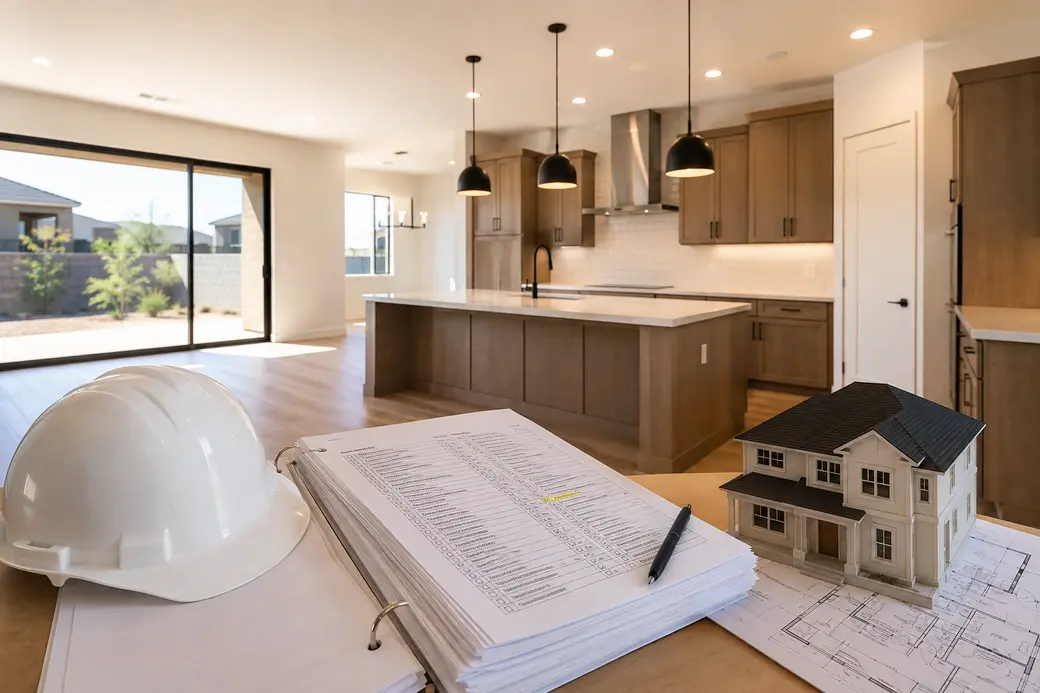
The pre-closing inspection report on this new build came back at 113 pages.
On a brand new home.
That number is not meant to scare anyone away from new construction. It is meant to illustrate exactly what a professional inspector catches that a walkthrough never would. Things inside walls. Things above ceilings. Systems that look fine from the outside and are not functioning correctly on the inside. A roof leak. A broken fresh air system blowing conditioned air into the attic instead of into the house. Insulation that was missed. A cracked weld on a patio door.
None of those things are visible to the naked eye. Every single one of them becomes your problem the moment you close — unless someone caught them first.
Without that inspection report we walk into the pre-closing orientation with nothing to point to. With it we walk in with 113 pages of documented findings that the builder is now responsible for addressing before we hand over a single dollar.
The Three Inspections Every New Build Buyer Should Get
Most buyers know about the pre-closing inspection. Fewer know about the other two — and all three serve a different purpose.
The pre-drywall inspection happens before the walls close. This is your one opportunity to see what is inside — the framing, the plumbing, the electrical, the insulation. Once drywall goes up those walls are sealed. Whatever is behind them stays there. A pre-drywall inspection is how you make sure what is behind those walls is right before you lose the chance to address it.
The pre-closing inspection is the one most people are familiar with. This is a full walkthrough of the completed home before you close. Everything from cosmetic finishes to mechanical systems gets evaluated. This is where you build your punch list and hold the builder to it before the transaction is done.
The one year inspection is the one most buyers skip — and it is one of the most valuable. Most builders offer a one year workmanship warranty. That inspection is how you identify everything that has surfaced in the first year of living in the home and make sure it gets addressed while the warranty is still active. After that window closes those repairs are on you.
What Good Representation Actually Looks Like
Having an agent in your corner on a new build is not about being difficult with the builder. Builders are building hundreds of homes at a time on tight timelines. Things get missed. That is reality. The goal is not to make the process adversarial — it is to make sure you close on a home that has been held to the standard you are paying for.
That means having someone who knows what to look for at every stage of construction. Someone who is not intimidated by a punch list and knows how to communicate with a builder's team effectively. Someone who understands the warranty protections available to you and makes sure you actually use them.
The sales agent will not do that. That is not their job. But it absolutely should be someone's.
The Bottom Line
New construction comes with real advantages — warranties, everything brand new, the ability to customize. But those advantages only work in your favor if you have someone in your corner who knows how to protect them.
Before you walk into that model home, make sure you have representation that works for you. The builder already has theirs.
I also share deeper homeowner and market insights every Wednesday morning in my weekly newsletter, from lifestyle stories to practical real estate guidance rooted in what's really happening here in the Valley. If you'd like those delivered straight to your inbox each week, you can subscribe here.
Categories
Recent Posts